Funeral Flower Etiquette in South Africa: What to Send, When, and Where
In this article
- When to Send: The Timing Question
- What to Send: The Arrangement Types
- Cultural and Religious Considerations in South Africa
- Where to Send: Venue, Home, or Both
- What to Write on the Card
- Common Mistakes to Avoid
- A South African Note: Proteas and Indigenous Flowers
- Sympathy and Funeral Flowers, Quietly Done
There is no graceful way to ask a grieving family which florist they prefer. South African funerals — Christian, Jewish, Muslim, Hindu, African traditional, and the many beautiful overlaps in between — each carry their own customs, and the wrong gesture, however well-meant, can land badly. This guide is the quiet conversation we'd have with a friend who phoned to ask: I just heard. What do I do?
None of what follows is rigid. Families differ, regions differ, and the most important rule is the one no etiquette guide can teach: pay attention to what the bereaved family actually says they want. With that said — here is the practical map.
When to Send: The Timing Question
Timing matters more than people realise. Sympathy flowers can land at three different moments, and each one carries its own meaning.
The day of the service (most common)
If the flowers are intended to be displayed at the funeral, aim for them to arrive at the venue two to three hours before the service begins — early enough that staff can place them properly, late enough that they're at their freshest. Most florists in Cape Town will deliver to a funeral parlour, church, or chapel directly; you'll need the venue name and address, plus the name of the deceased so the team there knows where the arrangement belongs.
The day before
For larger arrangements, or for a viewing or wake the night before the funeral, send flowers the previous day so the venue has time to set them out. This is also the gentler option if the family has asked for a small, intimate service and you're sending something for the home rather than the chapel.
After the funeral (often the kindest gesture)
This one is underused, and arguably the most thoughtful. The week of the funeral is overwhelming; it's the weeks after when the casseroles stop arriving and the messages slow down that grief sits heaviest. A small bouquet sent to the family's home seven to ten days after the service — or on the one-month anniversary, or on a birthday — quietly says I haven't forgotten.
There is genuinely no time that's too late to send sympathy flowers.
What to Send: The Arrangement Types
Funeral flowers come in distinct forms, each appropriate for different relationships to the deceased. Sending the wrong type isn't a disaster, but it's worth knowing the conventions.
Casket spray
A long, low arrangement designed to lie across the top of the casket. Traditionally sent only by the immediate family — partner, children, parents. If you're not in that circle, this isn't yours to send; it's reserved for the closest mourners and arrives via the family's chosen florist.
Standing spray
A large, fan-shaped arrangement on a tripod easel, displayed beside the casket or at the front of the chapel. Sent by close friends, extended family, work colleagues, professional associations, or sports clubs the deceased belonged to. These are the visible, public tributes — usually with a ribbon banner naming the sender.
Wreath
A circular arrangement, symbolically representing eternity. Traditional and dignified. Often sent by friends, neighbours, or community groups. Appropriate for both the chapel service and the graveside.
Sympathy bouquet or vase arrangement
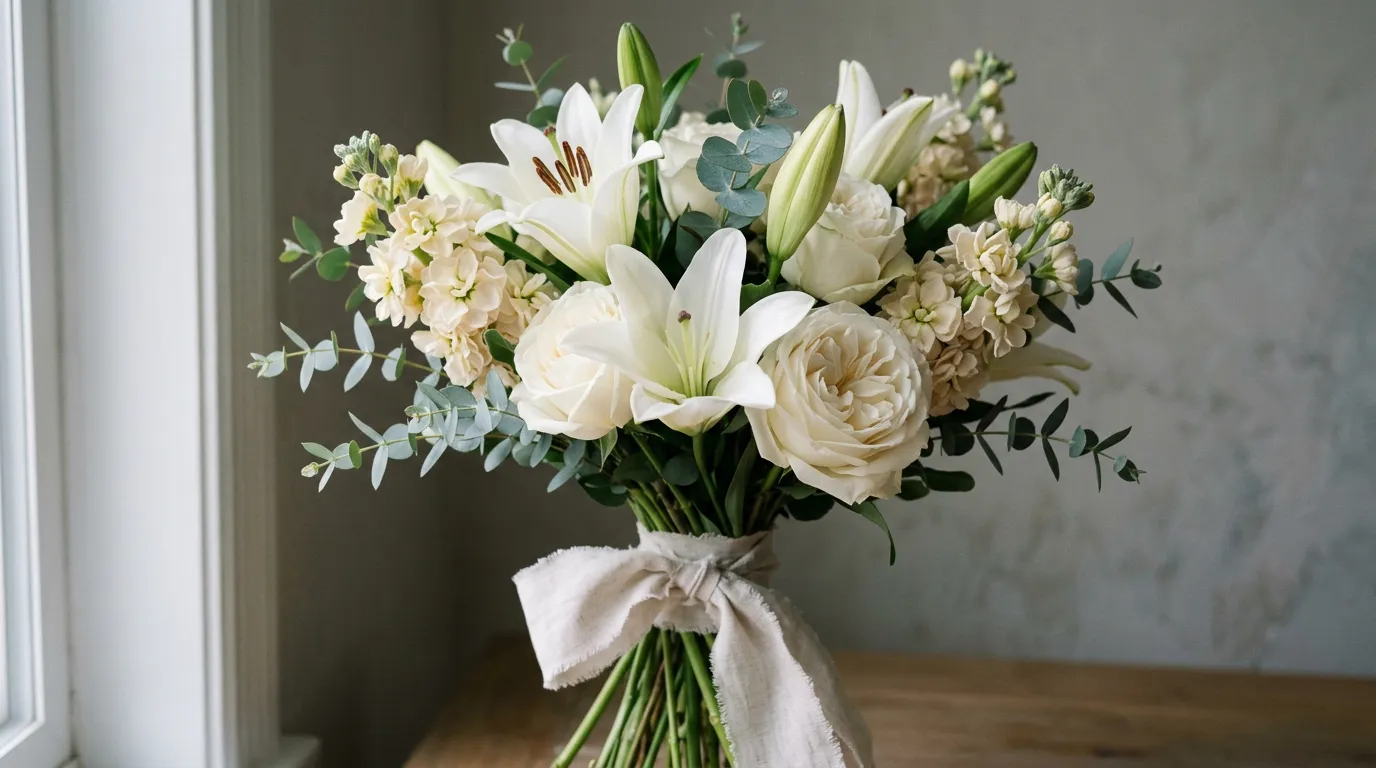
The right choice for almost everyone else — a smaller, hand-tied bouquet or arranged vase that can travel from the service back to the family home, or be delivered directly to the home. Suitable for acquaintances, neighbours, distant colleagues, and anyone whose connection sits a little further out from the inner circle.
The flowers themselves
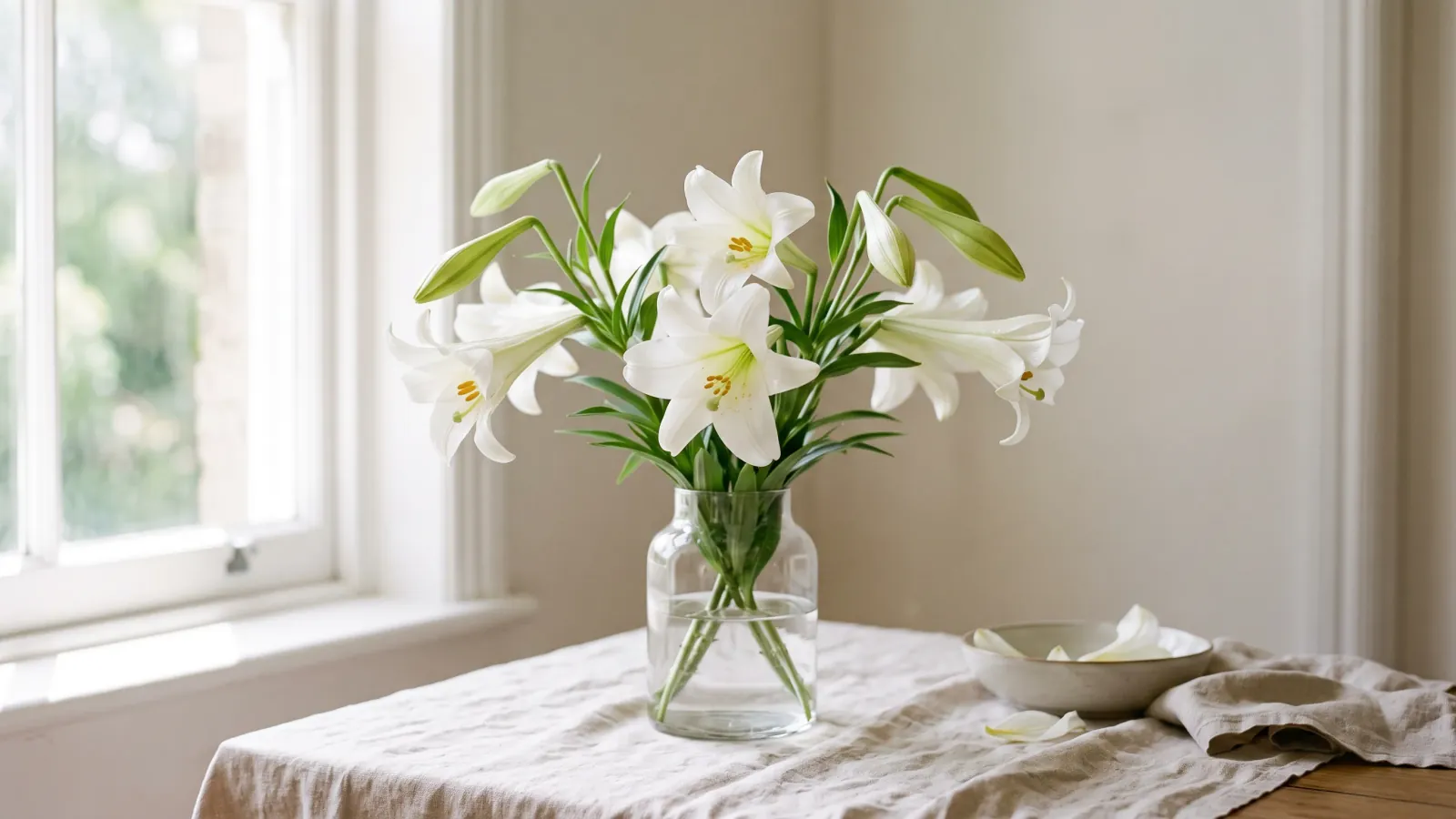
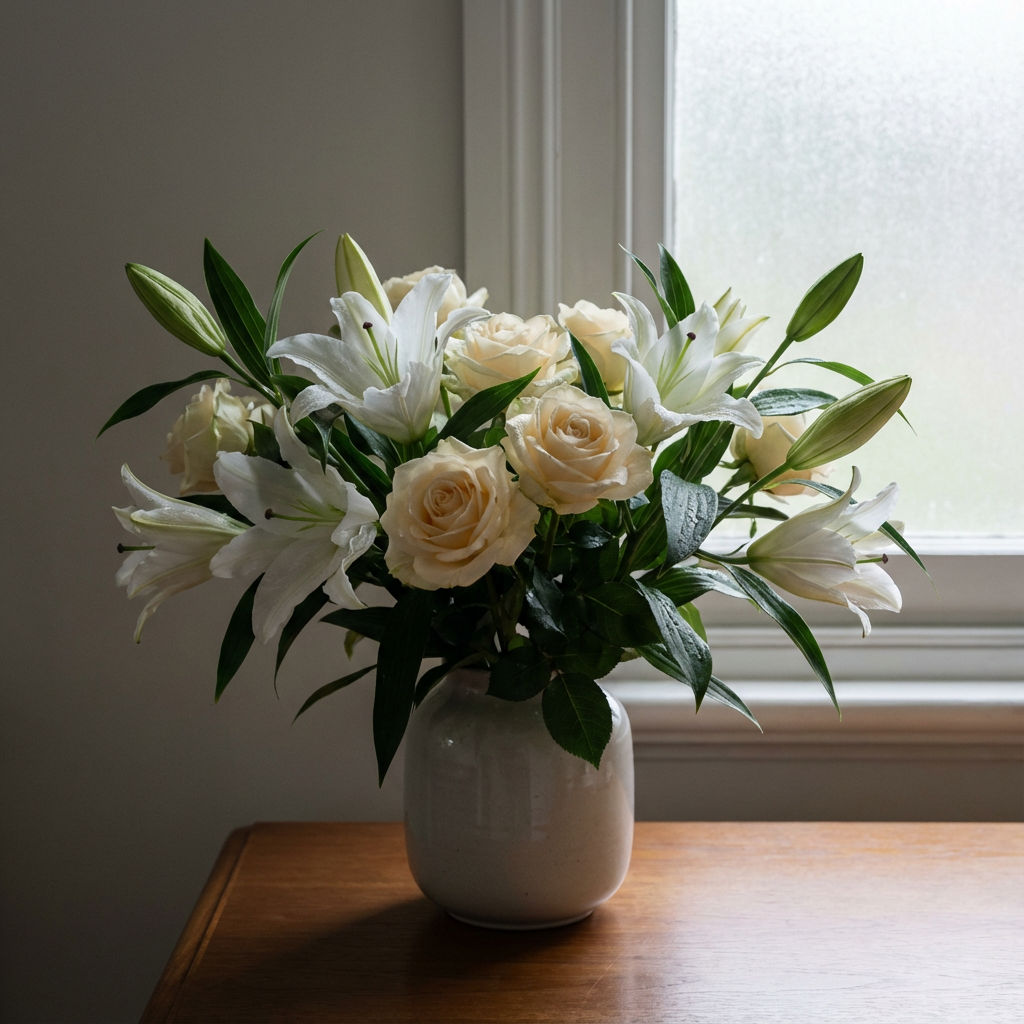
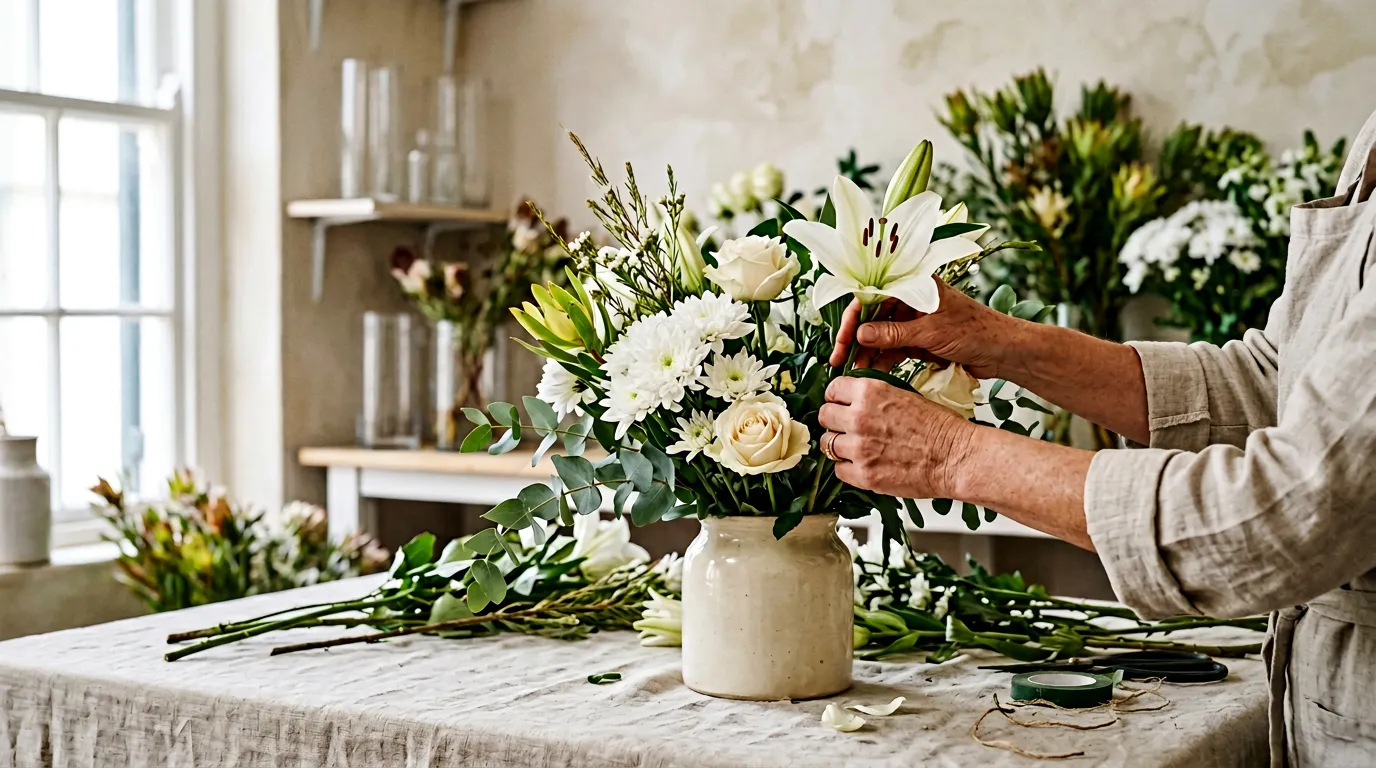
White is the safest, most universally appropriate colour — white lilies, white roses, white chrysanthemums, white carnations. Soft pastels (cream, pale pink, blush, ivory, palest peach) are equally appropriate. Lilies have been the traditional sympathy flower for generations because their pure form symbolises restored innocence and peace. Our white lily collection includes several arrangements built specifically for funeral and condolence work.
Cultural and Religious Considerations in South Africa
This is where careful attention matters most. Get this wrong and the gesture becomes the opposite of what you intended. The notes below are general — always defer to the family's stated wishes, and when in doubt, phone the funeral parlour and ask.
Christian funerals (Catholic, Anglican, Methodist, Reformed, Pentecostal, Charismatic)
Flowers are welcome and expected. White and pastel sprays, wreaths, and bouquets all standard. Catholic services may favour cross-shaped arrangements; some Reformed congregations historically preferred restraint and minimal flowers, but contemporary practice across most South African denominations is similar to the broader Western convention. If unsure about the specific church, ask the funeral director.
Jewish funerals
Flowers are not part of Jewish tradition and should not be sent — to either the funeral or the family's home during shiva (the seven-day mourning period). The principle is one of equality and simplicity in death; decoration runs counter to it. The appropriate gesture is a charitable donation in the deceased's memory, a hand-written condolence note, or bringing food to the family during shiva. Many South African Jewish families nominate a specific charity in the funeral notice.
Muslim funerals
Islamic tradition emphasises simplicity and swift burial — usually within 24 hours of death — and flowers at the burial itself are generally not customary. Practices vary across communities, however; in some South African Muslim families, modest flowers sent to the family home after the burial, during the mourning period, are accepted as a gesture of comfort. When in doubt, send food, a card, or make a charitable contribution instead. Avoid elaborate sprays and wreaths for the funeral itself.
Hindu funerals
Flowers are integral to Hindu funeral rites — but the form matters. Garlands (malas) of marigolds, jasmine, roses, and other flowers are traditional, draped on the body and used in the cremation rituals. Western-style sprays and wreaths are less customary; bringing a garland, or sending one to the family, is the more culturally fluent choice. Many South African Hindu families will accept a sympathy bouquet sent to the home after the cremation, but the funeral itself is best honoured with garlands sourced from a florist familiar with Hindu rites.
African traditional funerals
Practices vary widely between Xhosa, Zulu, Sotho, Tswana, Venda, Ndebele and other communities, and most South African Black families today blend traditional rites with Christian or other religious observance. Flowers are generally welcome — both at the service and at the home — and many families value flowers placed at the graveside or on the body during the viewing. The mourning period extends well beyond the funeral; a bouquet sent to the family during the weeks that follow, or for the ukubuyisa ("bringing home" the spirit) ritual that may take place months or a year later, is often deeply appreciated.
The umbrella body for the South African funeral industry, the Funeral Federation of South Africa (founded 2002), comprises eleven member associations including FUDASA, NFDA and IFDA — funeral parlours affiliated with these bodies will know the cultural conventions for their region and are usually happy to advise on what's appropriate.
Where to Send: Venue, Home, or Both
The funeral notice (in the newspaper, on social media, or sent by the family) usually specifies a venue. If it doesn't, here is the rough decision tree.
- For display at the service — send to the funeral parlour, chapel, church or crematorium. Address the delivery to the venue and include the name of the deceased and the time of the service so staff can place the flowers correctly.
- For the family directly — send to the family home, ideally the day before the funeral or in the days following. Smaller arrangements travel better and live longer in a domestic setting.
- For private or graveside-only services — send to the home. Many South African families now opt for small, private burials with a memorial service held later; flowers at home are the right call.
- If the family has requested "no flowers" — respect it. They almost always nominate a charity in lieu; donate there and send a hand-written card.
What to Write on the Card

This is the moment when most people freeze. The card is small, the stakes feel high, and the urge to write something profound is strong. Resist it. Short, warm, and sincere is always better than long and laboured.
Templates that genuinely work:
- "With deepest sympathy and love. Thinking of you all. — The Sandeman family"
- "There are no words. Just love, and the memory of [name]'s [laugh / kindness / garden / generosity]. — Sarah"
- "Holding you in our hearts. — Dave and Mandy"
- "In loving memory of [name]. May the kind memories bring some comfort. — The team at [workplace]"
A few small notes: sign with your full name (and household name) so the family knows who sent what — they'll be writing thank-you notes weeks later. If you knew the deceased well, naming one specific thing you loved about them is worth a hundred generic phrases. And if you're truly stuck, the line "With deepest sympathy" alone is enough. It always has been.
Common Mistakes to Avoid
- Sending to a Jewish or Muslim funeral by default. Always check the religious context first.
- Forgetting to include the name of the deceased on the delivery instructions when sending to a venue handling several services.
- Choosing bright, celebratory colours (hot pink, orange, mixed brights) for a traditional service. Save those for birthdays. White and pastels for sympathy.
- Sending an enormous arrangement to a small home. A standing spray belongs at a chapel, not on a kitchen counter. Match the scale.
- Forgetting the card. Florists will usually catch this, but double-check — flowers without a card leave the family wondering, and they have enough to think about.
- Ignoring "no flowers please". If the family has asked for donations to a charity instead, do that. The wish is the gesture.
- Stopping after the funeral. The first month is when flowers genuinely help — long after the formal service is over.
A South African Note: Proteas and Indigenous Flowers
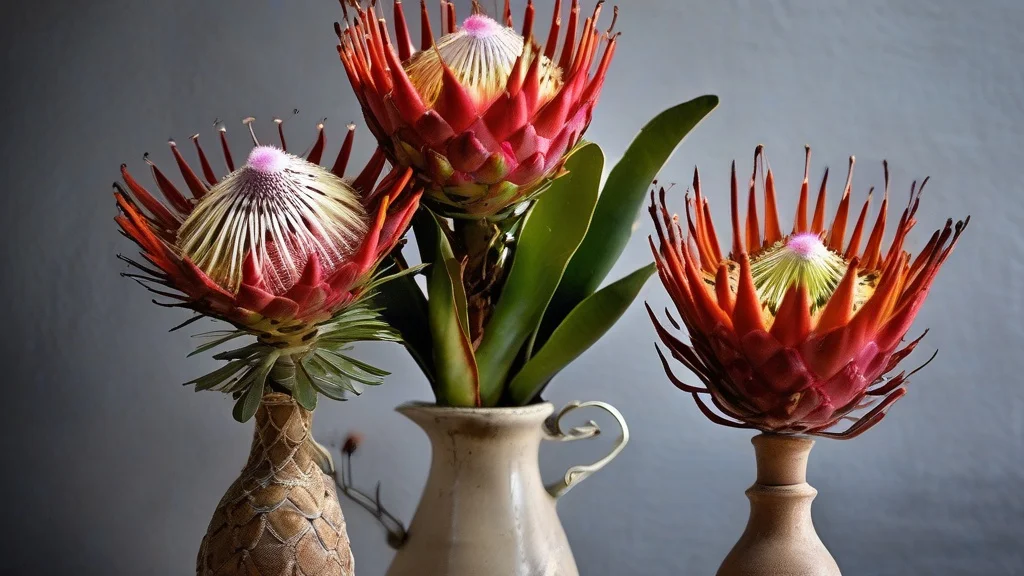
South Africa's national flower has a quiet, dignified place in funeral arrangements. Proteas — particularly the King Protea — symbolise courage, transformation, and resilience, and they last two to three weeks in a vase, which means a protea-led arrangement keeps offering comfort long after most cut flowers have faded. They pair beautifully with white lilies and roses, and they carry a distinctly local meaning that imported tulips simply can't. The South African National Biodiversity Institute (SANBI) describes the King Protea as honoured in South Africa as the national flower — for the right family, The Cape Town Florist's protea collection can carry that weight gracefully.
Sympathy and Funeral Flowers, Quietly Done
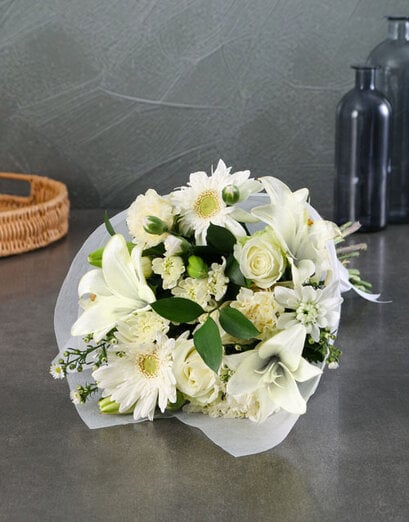
If someone you know has lost someone, and you're not sure where to start, browse the Cape Town Florist's sympathy range — every arrangement is built by florists who understand the moment, with white-and-pastel palettes, dignified shapes, and same-day delivery to homes, funeral parlours, and chapels across the city. For the most traditional choice, the Elegant White Lilies arrangement is the quiet workhorse of sympathy work — pure white lilies, slow-opening, and as appropriate at a chapel as on a kitchen table a week later.
Order before noon for same-day delivery across Cape Town. We'll get the timing, the venue, and the card right — so you can focus on the part that matters: being there.
From the florists
Send the story, not just the flowers.
Cape Town's freshest blooms — same-day delivery on weekday orders before noon, hand-arranged by florists who actually know the difference.
Shop the collectionEditor's picks
Featured arrangements



Frequently asked
Quick answers
What flowers should I send to a funeral in South Africa?
White is the safest, most universally appropriate choice — white lilies, white roses, white chrysanthemums, or white carnations. Soft pastels (cream, blush, ivory, palest peach) are equally suitable. For African traditional and Christian funerals you can include indigenous proteas, which carry a distinctly South African meaning of courage and transformation. Avoid bright, celebratory colours like hot pink or orange for traditional services.
When should sympathy flowers be sent — before or after the funeral?
Both are appropriate. For display at the service, aim for delivery two to three hours before the funeral begins. The most underused (and arguably kindest) option is to send flowers a week or two after the funeral, when the formal support has faded and grief sits heaviest. There is genuinely no time that's too late to send sympathy flowers.
Are flowers appropriate for Jewish or Muslim funerals?
For Jewish funerals — no. Flowers are not part of Jewish tradition and should not be sent to either the funeral or the family's home during shiva. The appropriate gesture is a charitable donation, a hand-written note, or bringing food. For Muslim funerals, flowers are generally not customary at the burial itself, but modest flowers sent to the family home after the burial during the mourning period are accepted in many South African Muslim families. When in doubt, send a card or make a donation.
Where should I send funeral flowers — to the venue or the home?
Send larger, public arrangements (standing sprays, wreaths) to the funeral parlour, church or chapel for display at the service. Send smaller bouquets and vase arrangements to the family home, especially if the service is private or you're sending after the funeral. Always include the name of the deceased on delivery instructions so venue staff can place the flowers correctly.
What should I write on a funeral flower card?
Short, warm, and sincere — short is always better than long. 'With deepest sympathy' on its own is enough. If you knew the person well, naming one specific thing you loved about them ('Thinking of you all — and of Margaret's garden') means more than any generic phrase. Always sign with your full name and household so the family knows who to thank.
Who should send a casket spray?
Casket sprays — the long arrangements that lie across the top of the casket — are traditionally sent only by the immediate family (partner, children, parents). If you're outside that inner circle, a standing spray, wreath, or sympathy bouquet is the appropriate choice. Friends, extended family, colleagues and community groups send standing sprays and wreaths to the chapel; acquaintances and distant colleagues send smaller bouquets to the home.